Building Micro-SaaS as an Indie Developer: Lessons from Forjio
Micro-SaaS is the art of building a small, profitable software product as a solo developer or tiny team. No venture funding, no 50-person engineering org — just you, a problem worth solving, and the discipline to ship something people will pay for.
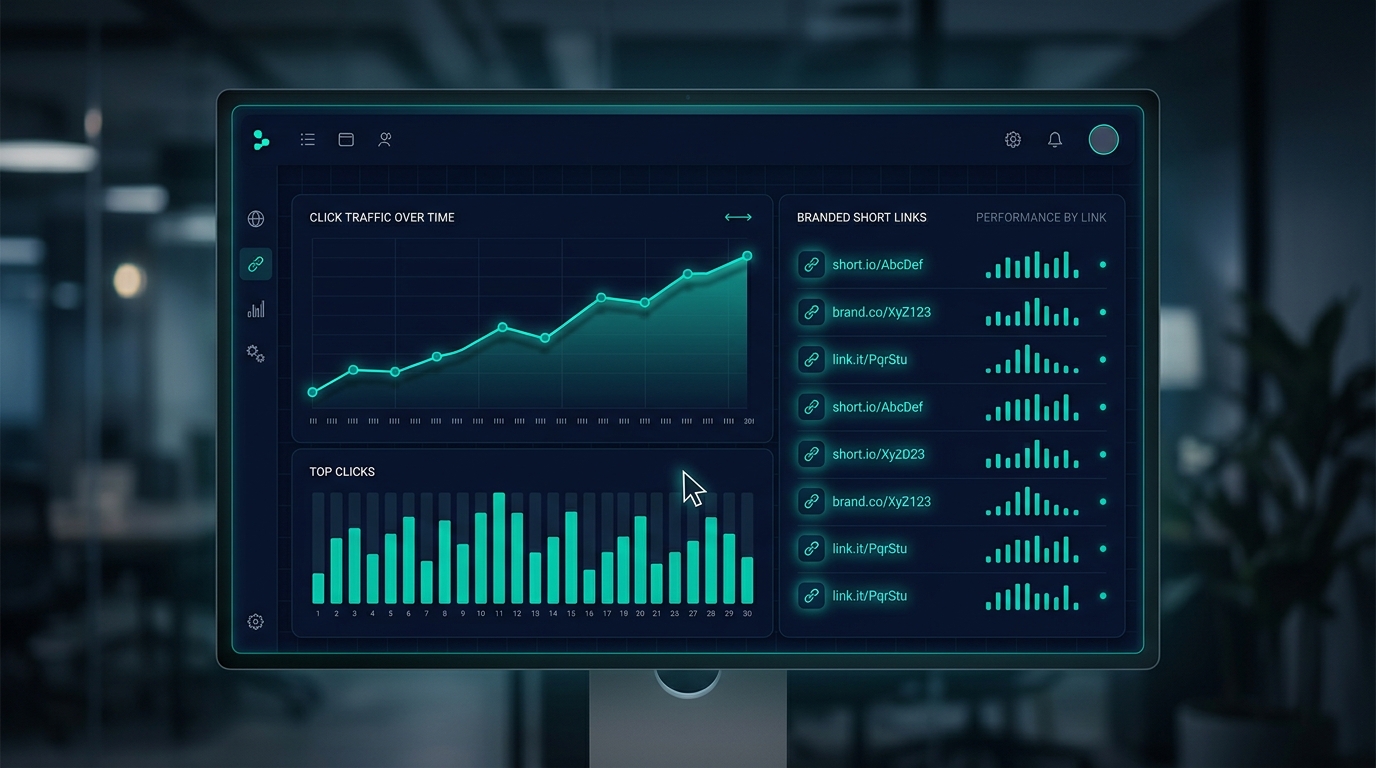
At Forjio, we built LinkSnap — a URL shortener with analytics — as our first micro-SaaS. Here's what we learned along the way.
Pick a Boring Problem
The best micro-SaaS ideas are boring. URL shortening isn't exciting — it's been done a hundred times. But that's exactly why it works: the market is validated, users understand the value instantly, and you can differentiate on execution rather than education.
Don't build something nobody has ever thought of. Build something everybody needs but nobody has done well enough.
LinkSnap competes with Bitly, TinyURL, and dozens of others. We win on simplicity — one clean dashboard, no enterprise upsells, no feature bloat. Small teams and indie makers don't need 47 integrations. They need short links that work.
Ship the Core, Skip the Rest
Our first version of LinkSnap had three features: shorten a URL, view click count, copy to clipboard. That's it. No custom domains, no QR codes, no team workspaces. We shipped in two weeks and started getting feedback immediately.
- Week 1-2: Core shortener + basic analytics
- Week 3-4: Custom branded domains
- Month 2: QR code generation
- Month 3: Referrer and geo analytics
Tip
If your MVP takes more than 2 weeks to build, you're building too much. Cut features until it fits.
Choose a Stack You Know
This is not the time to learn a new framework. We used Next.js for the frontend and Go for the backend — tools we already knew well. The goal is speed to market, not resume-driven development.
For infrastructure, we kept it simple: a single VPS, PostgreSQL, and Nginx. No Kubernetes, no microservices, no multi-region. When you have 100 users, a $12/month droplet is all you need.
Pricing: Start Cheap, Raise Later
We launched with a generous free tier and a $5/month pro plan. The free tier drives adoption and word-of-mouth. The pro plan covers server costs. Once you have paying users and know what features they value, you can adjust pricing with confidence.
The Hardest Part: Marketing
Building the product is the easy part. Getting people to know it exists is where most indie developers fail. We focused on three channels: SEO (this blog), social media (showing our build process), and communities (indie hacker forums, Reddit).
- Write content that helps your target audience (like this post)
- Share your build journey on X/Twitter — people love behind-the-scenes
- Answer questions on Reddit and forums where your users hang out
- Build backlinks by writing guest posts and getting listed in directories
What's Next for Forjio
LinkSnap is just the beginning. Under Forjio Engine, we're building more focused tools for makers and small teams. Under Forjio Studio, we create digital products — planners, stickers, worksheets — that complement the software side.
The micro-SaaS model works because it forces focus. One problem, one solution, one team small enough to move fast. If you're thinking about building your own — start today, ship in two weeks, and iterate from real feedback.