Why Every Creator Needs a Link-in-Bio Tool
What Is a Link-in-Bio Tool? (And Why It Exists)
Instagram gives you one clickable link. TikTok gives you one. If you're a creator selling digital products across multiple platforms, you already know the frustration — and that's exactly why a link-in-bio tool has become non-negotiable.
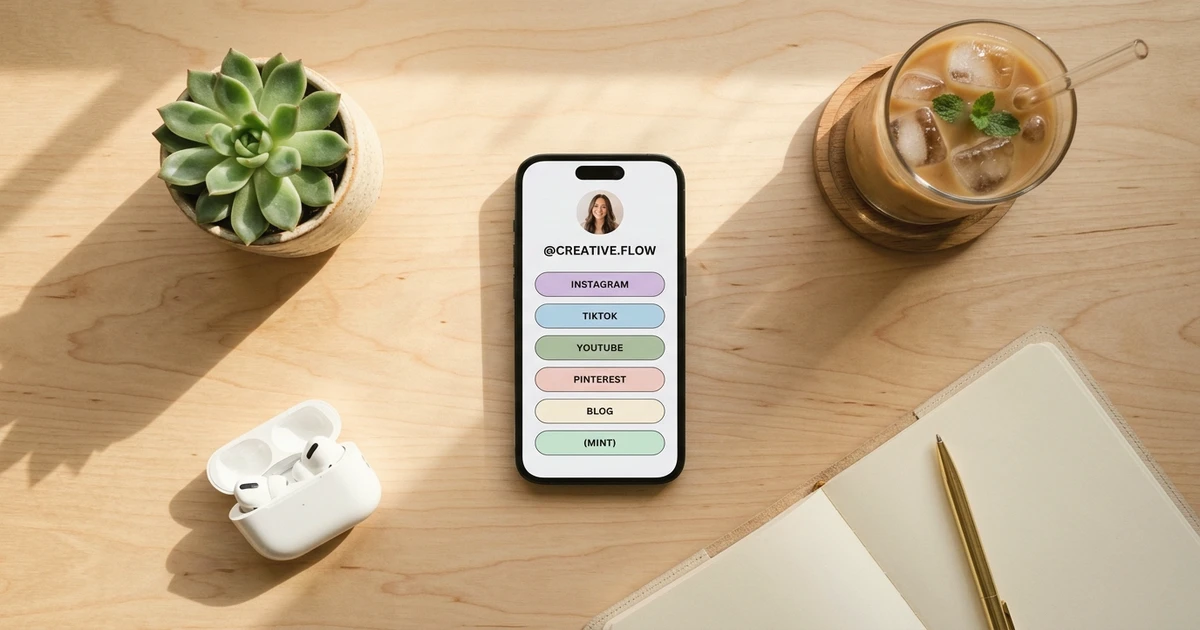
A link-in-bio tool solves this by turning that single URL into a landing page with multiple links. Instead of swapping your bio link every time you launch a new product or publish a blog post, you point your bio to one permanent page that houses everything — your shop, your latest content, your email signup, your other social profiles.
What started as a workaround for Instagram's single-link limitation has become essential creator infrastructure. Over 70 million creators now use link-in-bio tools, and Google is indexing bio pages 40% more year over year. Your bio link isn't just a link anymore — it's your storefront entrance.
5 Reasons Every Creator Needs a Link-in-Bio Tool
1. One Link to Rule All Your Platforms
You're selling planners on Gumroad, posting tutorials on YouTube, and sharing behind-the-scenes on Instagram. Without a bio link tool, you're constantly choosing which URL gets the prime real estate in your bio — and everything else gets buried. A link-in-bio page lets you showcase all of it simultaneously. Your followers decide what to explore, not your platform's character limit.
2. Turn Followers Into Customers
The creator economy is worth over $250 billion globally, with 200 million creators worldwide. But here's the uncomfortable truth: only 4% earn more than $100K per year. The difference between creators who monetize effectively and those who don't often comes down to how easy they make it for followers to find and buy their products. A bio link page with clear product links, organized by priority, bridges the gap between 'I love your content' and 'Take my money.'
Digital products — planners, stickers, worksheets, templates — have 70-90% profit margins compared to 20-30% for physical goods. If you're selling digital products, every friction point between your content and your checkout page costs you real money. A well-organized bio link removes that friction.
3. Track What Actually Gets Clicked
Posting a raw Etsy or Gumroad link in your bio tells you nothing. You don't know how many people clicked, which platform sent them, or what device they used. A link-in-bio tool with built-in analytics changes the game. You can see that your Instagram bio drives 3x more clicks than your TikTok bio, that 75% of your audience is on mobile, or that your newest sticker pack gets more interest than your planner bundle.
Optimized bio pages see 25-40% higher conversion rates than basic link setups, with some creators reporting up to 350% increases in click-through rates. That's not a marginal improvement — that's the difference between a side project and a real income stream.
4. Look Professional Without a Full Website
Not every creator needs a $200/year website with custom hosting and a CMS. What you do need is a clean, branded landing page that tells visitors who you are and what you offer — in under five seconds. A good link-in-bio tool gives you that. Custom colors, your logo, organized sections, and a branded short URL that looks intentional rather than random. Your bio link is often the first impression a potential customer has of your brand. Make it count.
5. Own Your Traffic — Don't Rent It From Algorithms
Here's something most creators learn the hard way: you don't own your Instagram followers, your TikTok audience, or your YouTube subscribers. The algorithm decides who sees your content and when. But your bio link? That's yours. It's one of the few things on social media that you fully control — the URL, the destination, the experience. When you send someone to your bio link page, you're moving them from rented space (the algorithm's feed) to owned space (your page, your analytics, your terms).
Tip
Use a branded short link as your permanent bio URL. Instead of a generic linkt.ree/username, a custom domain like links.yourbrand.com builds recognition every time someone sees it. It works across Instagram, TikTok, YouTube, email signatures, and even print materials — one consistent, memorable link.
Link-in-Bio vs. Full Website: Do You Need Both?
A bio link page isn't trying to replace your website — it serves a different purpose. Your website is your home base for long-form content, SEO, and deep brand storytelling. Your bio link page is your quick-access hub optimized for social media traffic.
If you're just starting out or selling primarily through marketplaces like Etsy and Gumroad, a bio link page might be all you need. It gives you a professional presence, click tracking, and a central hub without the overhead of maintaining a full site. Once you're ready to scale — blogging for SEO, building an email list, creating a custom storefront — your bio link page becomes the bridge that funnels social traffic to your website.
What to Look for in a Link-in-Bio Tool
Custom Branding and Short Links
Generic URLs scream 'I didn't think about this.' A good tool lets you customize your page's appearance and — more importantly — use a branded short link as your bio URL. This is where link-in-bio and URL shortening converge: your bio link should be short enough to remember, branded enough to build trust, and trackable enough to give you data.
Click Analytics and QR Code Support
If your tool doesn't tell you who's clicking, where they're coming from, and what device they're using, you're flying blind. Look for geographic data, device breakdowns, referral sources, and time-based patterns. Bonus points if the tool also generates QR codes — they're invaluable for connecting offline materials (packaging, business cards, event booths) to your digital presence. QR code usage has grown over 300% since 2021, and they're now a standard part of creator marketing.
Integration with Your Digital Product Stack
Your link-in-bio tool should play well with where you actually sell. If your products live on Etsy, Gumroad, Shopify, or your own store, creating tracked links to each listing should be seamless. The best tools let you manage your bio page and your individual product links from the same dashboard — one system for all your link management.
How Creators Use Link-in-Bio to Sell Digital Products
Digital product creators have a unique advantage with bio links: every product can have its own tracked link, and you can rotate featured products based on what you're currently promoting. Unlike influencers who link to brand deals, product creators need persistent, organized links that drive repeat purchases. Here's how the smartest creators set it up.
Linking to Your Shop
Instead of sharing a raw marketplace URL, create a branded short link for each product listing. Your dark academia planner gets one link. Your sticker bundle gets another. Your worksheet pack gets a third. Each one is tracked separately, so you know exactly which products attract the most interest from which platforms.
Forjio Studio
Dark Academia Planner 2026
A 132-page digital planner with dark walnut, parchment & gold aesthetic.
Learn more →Prioritizing Your Link Hierarchy
Not all links are equal. Your bio page should have a clear priority order: newest or best-selling product at the top, followed by your shop page, then your email signup, then social profiles. Rotate the top link whenever you launch something new or run a promotion. Think of your bio page like a store window — feature what matters most right now, and keep the evergreen links below the fold.
Using Branded Short Links Across Platforms
Here's a strategy most creators miss: use the same branded short link everywhere. Your Instagram bio, your TikTok bio, your YouTube description, your email signature, your business card, your product packaging. One memorable URL that people start to recognize. Platform conversion rates vary — Instagram averages about 1.08% CTR, TikTok about 3.4% — but a consistent branded link builds familiarity regardless of where someone first sees it.
Common Link-in-Bio Mistakes to Avoid
Too Many Links, No Clear Priority
Dumping 15 links on your bio page with no hierarchy is worse than having three well-chosen ones. Every link you add dilutes the attention on the others. Be ruthless about what makes the cut. If a link hasn't been clicked in two weeks, it's taking space from something that could convert.
Ignoring Your Analytics
Setting up a bio link page and never checking the data is like opening a shop and never looking at the register. Your analytics tell you what's working and what's dead weight. Which product link gets the most clicks? Which platform sends the most traffic? Check your click data weekly — it takes two minutes and can completely change your content and promotion strategy.
Using Generic URLs Instead of Branded Links
A link like bit.ly/3xK9mQ tells your audience nothing and builds zero brand recognition. A link like links.yourbrand.com or yourbrand.link is memorable, professional, and builds trust with every impression. If your link-in-bio tool supports custom domains, use them.
Note
Product and merch sales already account for over 21% of creator income — and that number is growing as creators move away from algorithm-dependent revenue. Your bio link is the front door to that revenue. Treat it like the business asset it is.
Start Building Your Creator Hub Today
Your bio link is the most underutilized asset in your creator toolkit. It's the one place on every social platform where you control the destination, the experience, and the data. Whether you're selling your first digital planner or managing a catalog of stickers, worksheets, and templates — a well-built link-in-bio page turns casual followers into paying customers.
Start simple: choose a tool that gives you branded short links, click analytics, and QR code support. Add your top three product links. Customize your branding. Share the link everywhere. Then check your analytics in a week — you'll learn more about your audience from those seven days than from months of guessing which post drove which sale.
Related Posts
Apr 3, 2026 · 6 min read
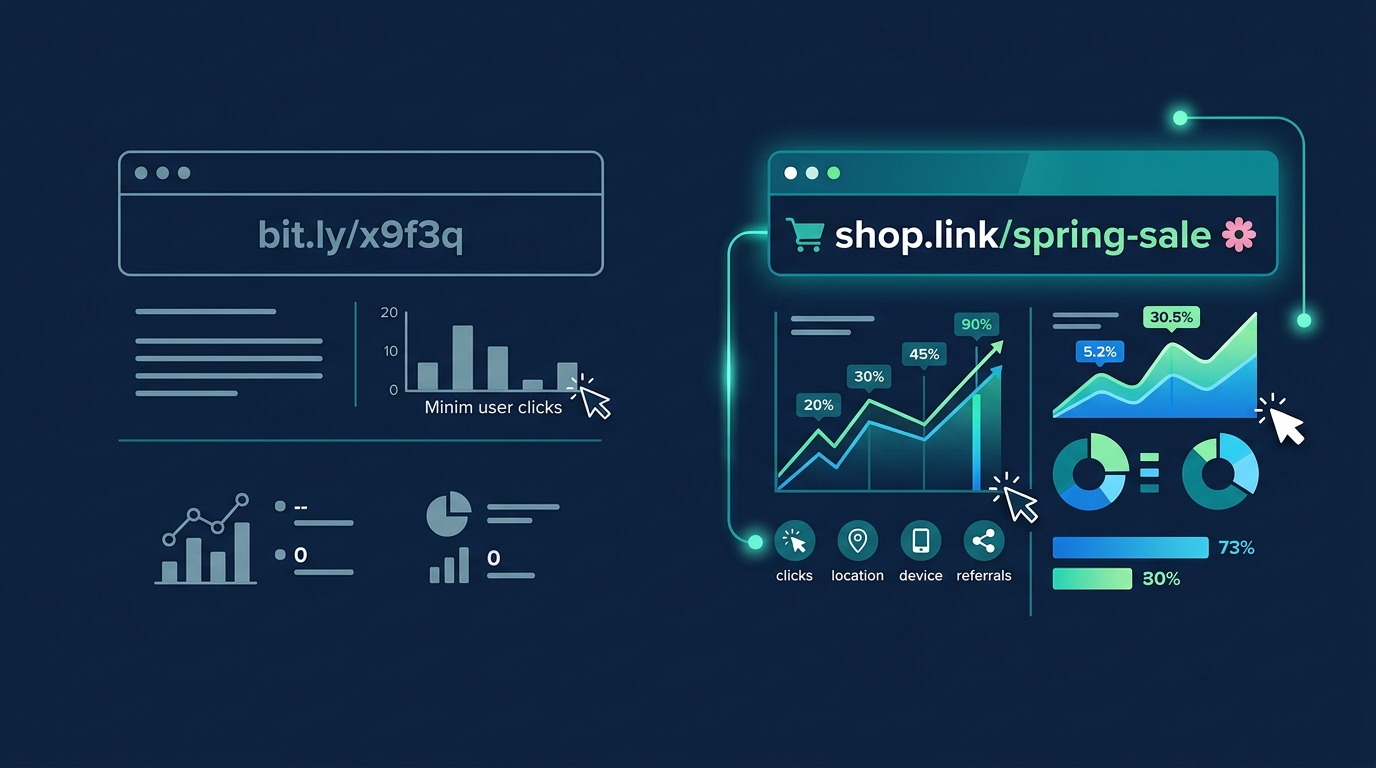
Branded Short Links: Create Links People Trust and Click
Branded short links get up to 39% more clicks than generic URLs. Learn to create your own custom short links that build trust, boost CTR, and look professional.

Apr 9, 2026 · 6 min read
Link Analytics 101: What Your Click Data Means
Learn what link analytics really means. This beginner's guide covers the 6 key click metrics, practical benchmarks, and smart decisions you can make today.

Apr 6, 2026 · 6 min read
QR Codes for Small Business: A Complete Guide
QR codes for small business are essential in 2026. Learn practical use cases, setup steps, best practices, and why branded short links make every scan count.